
Get Suboxone Online
Suboxone (buprenorphine-naloxone) is one of the most effective, evidence-based medications used to treat opioid use disorder (OUD). It helps reduce cravings, prevent withdrawal symptoms, and lower the risk of overdose—making it a cornerstone of modern addiction treatment.
This guide explains how Suboxone works, what to expect, and whether it may be right for you or someone you care about.
Medically reviewed by Affect’s Chief Medical Officer, Dr. Jon Peeples, M.D.

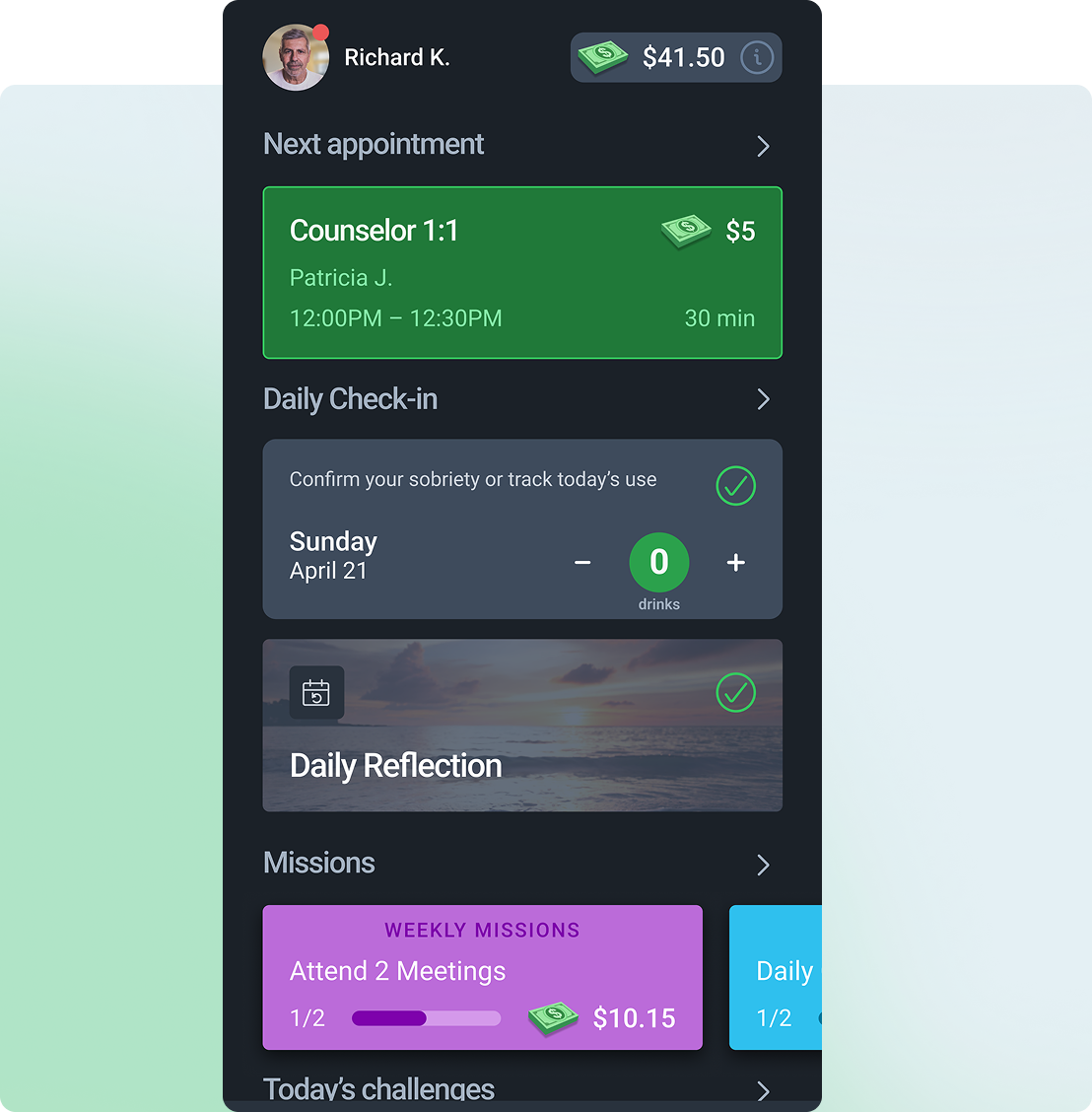
Our mental health and addiction care is covered by insurance. For 90% of our members, treatment is entirely free.











What is Suboxone?
How Suboxone Works
Suboxone works by targeting the same brain receptors as opioids—but in a safer, controlled way.
The medication combines two components:
- Buprenorphine: a partial opioid agonist that reduces cravings and withdrawal symptoms
- Naloxone: an opioid antagonist that helps prevent misuse
Buprenorphine binds tightly to opioid receptors and activates them just enough to prevent withdrawal—without producing the full euphoric effect of drugs like heroin or fentanyl. It also blocks other opioids from attaching to these receptors.
This creates what’s known as a “ceiling effect,” meaning higher doses do not produce stronger opioid effects, which lowers the risk of overdose. According to the National Institute on Drug Abuse, medications like buprenorphine significantly reduce illicit opioid use and improve retention in treatment.
How Effective Is Suboxone?
Suboxone is one of the most well-studied and effective treatments for opioid use disorder.
Clinical research shows that people taking buprenorphine-based medications:
- are more likely to stay in treatment
- use fewer illicit opioids
- have a lower risk of overdose
The Substance Abuse and Mental Health Services Administration recommends medications like Suboxone as a first-line treatment for opioid addiction, particularly when combined with counseling and behavioral support.
In real-world settings, treatment with medications for opioid use disorder (MOUD) is associated with a significant reduction in mortality risk, especially compared to untreated addiction.
How to Start Suboxone Safely
Starting Suboxone requires careful timing to avoid a condition called precipitated withdrawal.
Because buprenorphine binds so strongly to opioid receptors, it can displace other opioids too quickly if they are still active in the body. This can trigger sudden, intense withdrawal symptoms.
To prevent this:
- Patients are typically advised to wait several hours after their last opioid use
- They should be in mild-to-moderate withdrawal before the first dose
- A clinician will guide Suboxone dose amount and timing during the first 1–3 days
Guidelines from the Substance Abuse and Mental Health Services Administration emphasize proper induction timing as a critical factor in successful treatment initiation.
What to Expect in the First Week
The first week of Suboxone treatment is a stabilization period.
Most people experience:
- rapid relief from withdrawal symptoms
- a noticeable reduction in cravings
- improved ability to sleep and function
Some mild side effects can occur, including:
- headache
- nausea
- constipation
- fatigue
These symptoms typically improve within a few days as the body adjusts. According to the U.S. Food and Drug Administration, these side effects are generally manageable and less severe than those associated with ongoing opioid use.
Suboxone Side Effects
Like any medication, Suboxone can cause side effects.
Common side effects:
- constipation
- headache
- nausea
- sweating
- insomnia
Less common but more serious risks:
- slowed breathing (especially when combined with other sedatives)
- allergic reactions
The risk of serious side effects increases when Suboxone is combined with alcohol or benzodiazepines. The Centers for Disease Control and Prevention warns that combining opioids with other central nervous system depressants can increase the risk of respiratory depression.
How Long Do People Stay on Suboxone?
The length of treatment varies depending on individual needs.
Some people use Suboxone for:
- a few months
- a year or more
- long-term maintenance
Research consistently shows that longer durations of treatment are associated with better outcomes, including reduced relapse risk and improved stability. The National Institute on Drug Abuse notes that opioid addiction is a chronic condition, and longer-term treatment often leads to better results.
Suboxone vs. Methadone
Suboxone and methadone are both effective treatments for opioid use disorder, but they differ in important ways.
Suboxone:
- partial opioid agonist
- lower risk of overdose
- can be prescribed in outpatient or telehealth settings
Methadone:
- full opioid agonist
- higher overdose risk if misused
- typically dispensed through specialized clinics
Both medications are supported by clinical evidence. The Substance Abuse and Mental Health Services Administration recommends that treatment decisions be individualized based on patient needs, preferences, and clinical history.
Risks and Safety Considerations
Suboxone is considered safe and effective when used as prescribed, but there are important safety considerations.
- Avoid alcohol and sedatives unless approved by a clinician
- Take medication exactly as directed
- Store securely to prevent accidental use
Because buprenorphine has a ceiling effect, it carries a lower risk of fatal overdose than full opioid agonists. However, misuse is still possible—especially when combined with other substances.
Frequently Asked Questions About Suboxone
Studies have shown that buprenorphine-naloxone (Suboxone) is highly effective in treating opioid use disorder. Patients who take the medication as part of a comprehensive treatment plan, which includes counseling and support services, have better outcomes. The medication helps individuals maintain sobriety by reducing cravings and withdrawal symptoms, which are significant barriers to recovery. Long-term use has been associated with improved social functioning and a decrease in illicit opioid use.
Most insurance plans, including Medicaid plans, cover Suboxone treatment.
Buprenorphine-naloxone (Suboxone) is typically administered sublingually, meaning it is placed under the tongue to dissolve. It can also come in the form of a film or tablet. The initial dose is usually given under medical supervision to ensure proper usage and to monitor any adverse reactions. Patients may start on a higher dose that is gradually reduced over time. It’s important to take the medication exactly as prescribed to avoid potential withdrawal symptoms or ineffective treatment.
You may experience some mild symptoms in the first few days, but you should expect to feel normal quickly. Long term treatment is safe and effective.
Candidates for buprenorphine-naloxone treatment include individuals diagnosed with opioid use disorder who are motivated to recover and are willing to adhere to a comprehensive treatment plan. It’s particularly beneficial for those who have not been able to maintain sobriety through other methods. However, it’s not suitable for everyone, such as those with severe liver impairment or certain psychiatric conditions. A thorough evaluation by a healthcare provider is necessary to determine if buprenorphine-naloxone is the appropriate treatment.
Yes — for most patients, it is recommended.
MAT (Suboxone or buprenorphine) dramatically reduces the risks associated with opioid use during pregnancy. Our guide to MAT and pregnancy can answer your questions .
- Affect only prescribes Subutex / Burprenorphine monoproduct if you have a documented allergy to naloxone. We require documentation of the allergy prior to intake.
The Bottom Line
Suboxone is a safe, effective, and widely used treatment for opioid addiction. It helps people regain stability, reduce cravings, and focus on recovery.
When combined with clinical support, it can be life-changing.
Sources
- Substance Abuse and Mental Health Services Administration. (2023). Medications for Opioid Use Disorder Treatment Improvement Protocol (TIP 63).
- National Institute on Drug Abuse. (2021). Medications to Treat Opioid Use Disorder Research Report.
- U.S. Food and Drug Administration. (2023). Buprenorphine Drug Safety Communication.
- Centers for Disease Control and Prevention. (2022). Opioid Basics.