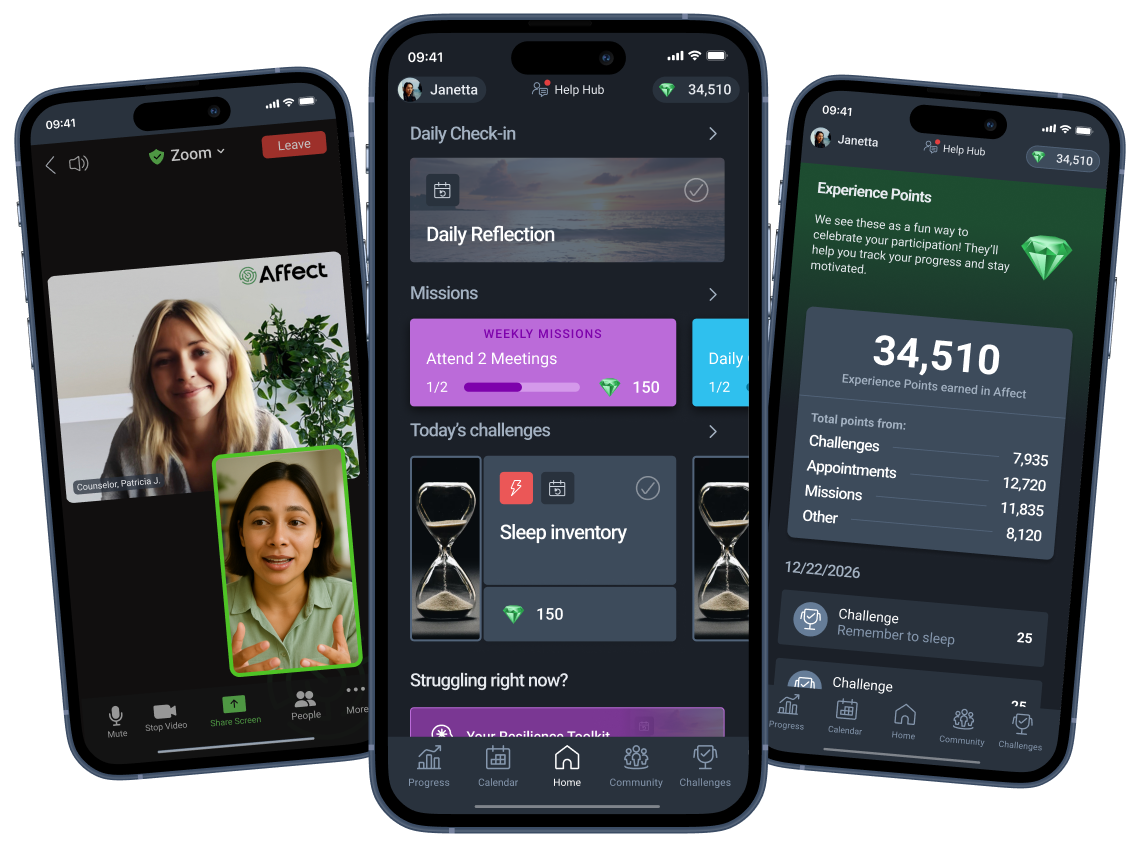


The short answer: Online addiction treatment gives you the same core care as an outpatient clinic (medication, counseling and recovery support) through video visits and an app. It works well for people who can live safely at home while they start recovery. It is not a replacement for emergency care or a supervised detox when withdrawal could be dangerous.
If the phrase “online treatment” makes you picture a chatbot and a motivational poster, good news: the real thing involves licensed clinicians, prescriptions, drug testing and actual humans who notice when you skip a week.
What’s included
A solid program usually offers most of these:
- Medication. For opioid use disorder, buprenorphine (Suboxone) or naltrexone. For alcohol, naltrexone, acamprosate and others. These are among the best-studied treatments in all of addiction medicine (SAMHSA).
- Counseling. One-on-one sessions with a licensed or certified counselor, often using approaches like cognitive behavioral therapy.
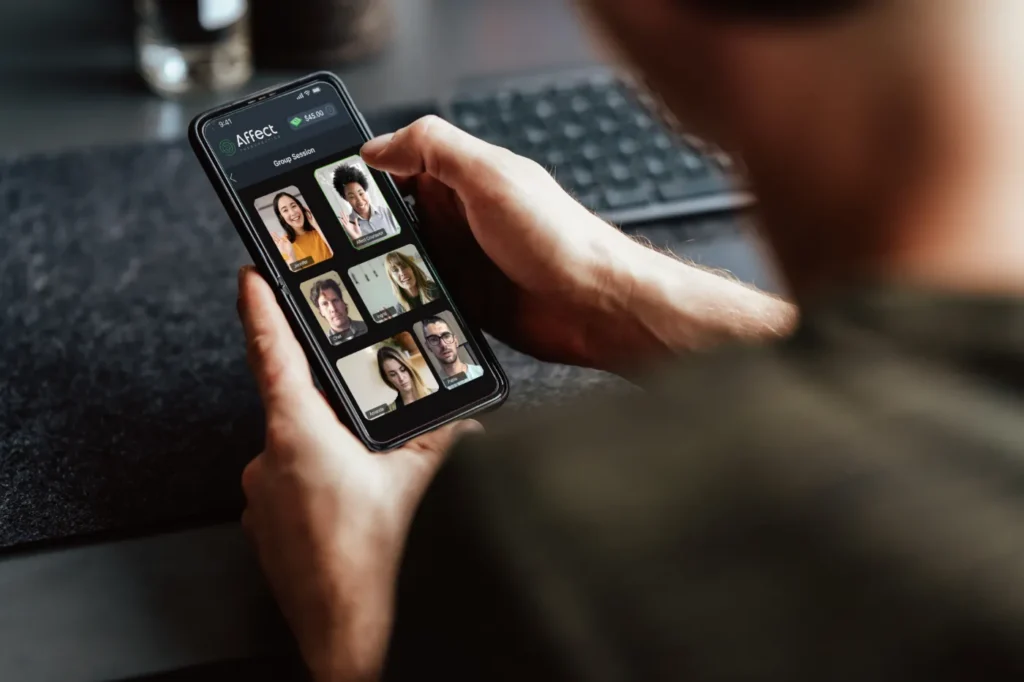
- Groups. Video groups led by a clinician or peer, for support and accountability.
- Drug testing. At-home or lab testing, which helps you and your care team see progress.
- Contingency management. Small, real rewards for meeting goals like negative drug tests. It has strong evidence, especially for stimulants like meth and cocaine (SAMHSA TIP 33). Read more about how contingency management works.
- Help with the rest of life. Some programs connect you with housing, employment and health care resources.
Does it work?
The research is encouraging. A federal study of Medicare patients with opioid use disorder found that those who got telehealth care during the pandemic stayed on their medication longer and had lower odds of a medically treated overdose (JAMA Psychiatry, 2022; NIH summary). For many people, the biggest benefit is simply showing up: no commute, no waiting room, no taking a half day off work for a 20-minute visit.
Who it’s right for, and who needs more
Online outpatient care is a good fit if you:
- Have a safe place to live and a phone
- Can manage withdrawal at home with a prescriber’s help
- Want treatment that fits around work, school or family
You may need a higher level of care, at least to start, if you:
- Have had withdrawal seizures or delirium tremens (DTs), or drink heavily every day
- Are dependent on benzodiazepines like Xanax or Klonopin
- Have a serious medical or psychiatric condition that isn’t stable
- Have tried outpatient treatment several times and keep returning to use
Not sure? A good program will assess you and refer you elsewhere if online care isn’t safe enough. If you’re in crisis, call or text 988.
Online outpatient vs. IOP vs. residential
| Online outpatient | Intensive outpatient (IOP) | Residential | |
|---|---|---|---|
| Time each week | About 1–3 hours | Usually 9 or more hours | Around the clock |
| Where | Home, by phone or video | Clinic or online | A treatment facility |
| Medication | Yes | Yes | Yes |
| Keep working or caring for family | Yes | Usually | No |
| Best for | Most people starting treatment | People who need more structure | People who aren’t safe at home |
Learn more about intensive outpatient treatment (IOP) and partial hospitalization (PHP).
How to check a program before you sign up
- Licensed in your state. The program and its prescribers should be licensed where you live.
- Prescribes medication. If you use opioids, ask whether they prescribe buprenorphine. A program that discourages medication for opioid use disorder is out of step with the evidence.
- Accredited. Look for CARF or Joint Commission accreditation.
- In-network with your insurance. Ask them to check your coverage before your first visit.
- A plan for bad days. Ask how to reach your care team between visits and what happens in a crisis.
- Clear about results. Good programs measure outcomes and can tell you how they do it.
Be wary of anyone promising a cure, a “detox in 3 days,” or treatment with no clinician involved.
How Affect works
Affect is a CARF-accredited online treatment program for addiction and mental health. You get licensed or certified counselors, physicians and nurse practitioners licensed in your state who can prescribe medication, video groups, drug testing and real rewards for progress, all in one app. Members earn rewards as they reach their recovery goals. Affect is covered by Medicaid and most insurance plans. See how the program works and where we’re available.
FAQ
Is online addiction treatment covered by insurance?
Often, yes. Medicaid and most commercial plans cover telehealth addiction treatment, but coverage depends on your state and plan. Check that the program is in your plan’s network.
Can I get medication through online treatment?
Yes. Licensed prescribers can prescribe buprenorphine (Suboxone) by telehealth under federal rules, plus medications for alcohol use disorder and mental health conditions.
Is online treatment as good as in-person?
For many people, yes. Studies of telehealth care for opioid use disorder show similar or better retention in treatment. The best program is the one you’ll actually stick with.
Can I detox at home?
It depends on the substance. Opioid and stimulant withdrawal can usually be managed at home with support. Alcohol and benzodiazepine withdrawal can be dangerous, so talk to a medical provider first.
How private is online treatment?
Addiction treatment records have extra federal privacy protections (42 CFR Part 2). You also skip the waiting room.
Sources
- Jones CM et al., Receipt of Telehealth Services, Receipt and Retention of Medications for Opioid Use Disorder, and Medically Treated Overdose, JAMA Psychiatry (2022)
- SAMHSA, TIP 33: Treatment for Stimulant Use Disorders (updated 2021)
- SAMHSA, Substance use treatment options
- SAMHSA, FindTreatment.gov
Download the app
Download the Affect app today from the Google Play Store or the Apple App Store to learn more and try it yourself for free.